RSMA Capstone Portfolio
Building places where people learn, play, and belong.
A public-facing portfolio by Abdul Jordan: racquet sports leader, coach, community builder, and USTA Racquet Sports Management Apprentice.
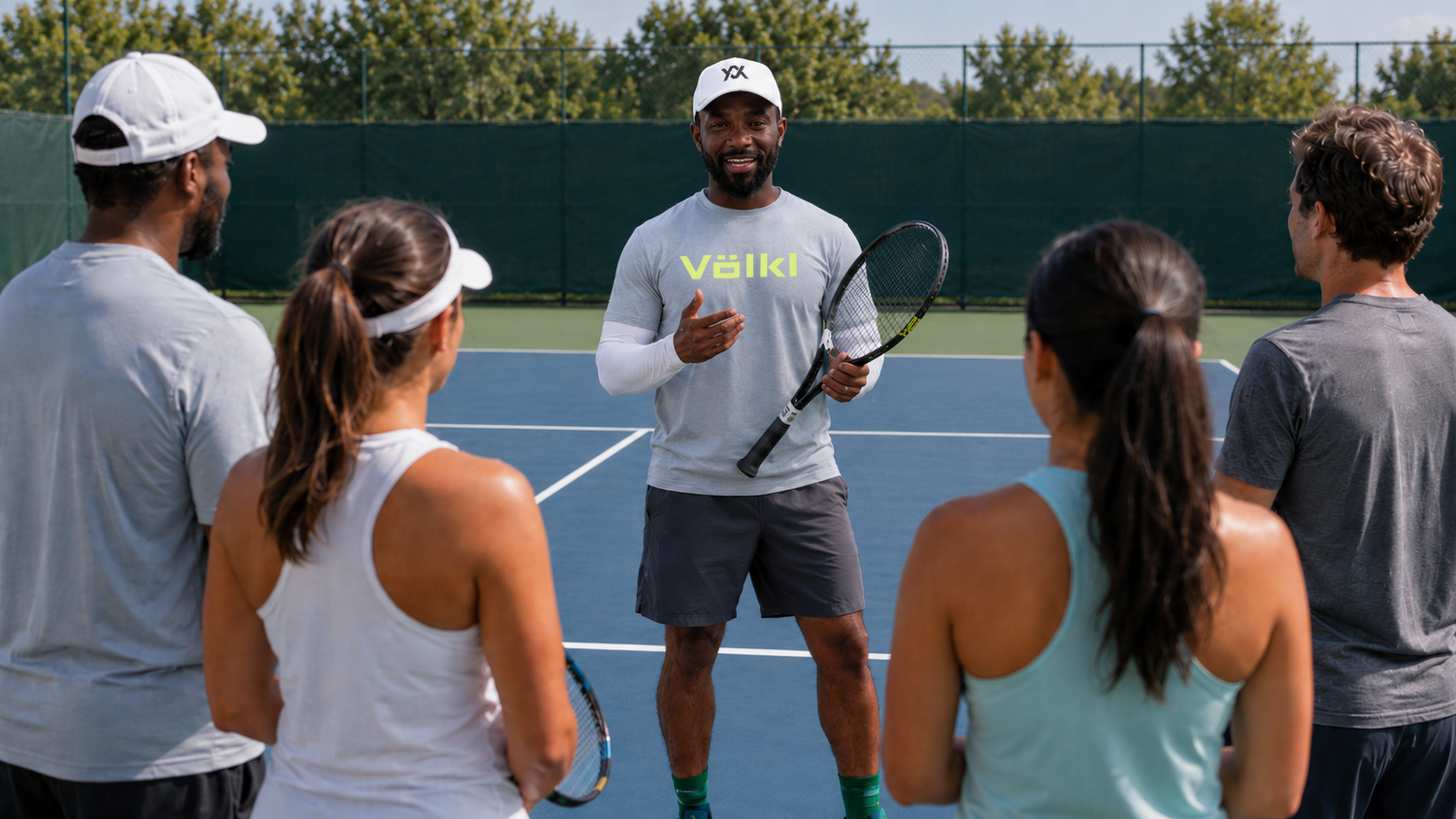
Capstone reviewer roadmap
Explore the three core projects, then review the applied case studies. This guide follows the portfolio structure; it does not claim an official rubric score.
Industry · S1: Facility mission, public access and participant pathways. Review the Industry plan · Review the four sport pathways.
Business Plan · S2: Revenue assumptions, staffing, cost recovery, marketing and implementation. Review the financial model and approval gates.
Leadership · S3: Accountability, onboarding, safety and measurement. Review the operating toolkit and KPI definitions.
Applied analysis: Beginner confidence, participant retention and coach development. Review the case studies and evidence standards.
Evidence key: Professional experience describes Abdul’s background. Jordan Park plans, forecasts and KPI targets are proposed academic work. Linked documents provide supporting artifacts; they are not proof of achieved outcomes.
WHO I AM
People-first leadership, built through racquet sports.
My work is grounded in the belief that a welcoming facility can change a person’s relationship with sport, confidence, and community.
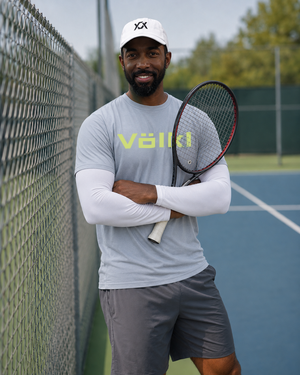
I am Abdul Jordan, a racquet sports professional with more than 25 years of coaching experience and 15 years of recreation-programming experience. My career has included public facilities, schools, youth development, adult instruction, tournament operations, and leadership development. I currently serve as a USTA Racquet Sports Management Apprentice at the USTA National Campus.
As an athlete, coach, business owner, and community partner, I lead with respect, clear communication, continuous improvement, inclusivity, and holistic development. This portfolio brings those values together through Jordan Park: a fictional RSMA academic facility model designed to make quality racquet sports accessible, welcoming, and sustainable.
25+ years coaching · 15+ years recreation programming · 2,500+ clients served
INDUSTRY · S1
Jordan Park is designed as a trusted public asset.
A fictional RSMA academic model for a city-supported racquet sports facility. It is not Jordan Athletics, River Birch Tennis Center, Serve First, or an approved City of Greenville project.
Mission
Make racquet sports accessible, welcoming, and meaningful for every generation.
Vision
A community where every resident can find a place to play, connect, grow, and return.
Facility model
Eight tennis courts. Four pickleball courts. Free public courts; fees only for organized programs and events.
Leadership philosophy
Listen first. Communicate clearly. Hold high standards. Create room for people to grow.
Respect & clear communication
Dedication & continuous improvement
Inclusivity & equity
Holistic development
Programming pathway
Learn → Play → Belong → Stay
Age-appropriate red, orange, green, and yellow-ball pathways create a clear route for juniors, beginners, adult learners, teams, leagues, and competitive players.
BUSINESS PLAN · S2
A financially responsible public-service model.
Jordan Park balances affordability with diversified program revenue and disciplined operating systems.
Courts are free to the public.
The FY2027 forecast earns revenue through camps, tennis lessons, pickleball programming, tournaments and stringing. Public court access remains free. Leagues, teams and special events have no budgeted revenue and require separate funded proposals.
No membership model
City-maintained courts
Seven-day operating concept
3% revenue and cost-escalation placeholders for FY2028–FY2029
Revenue strategy
Camps · Adult and junior group lessons · Private lessons · Pickleball · Tournaments · Stringing
Detailed budget, variance report, pricing strategy, and projections are included in the Business Plan appendix.
Customer journey
Discovery → Registration → Welcome → Placement → Follow-up → Return & Refer
RecTrac supports registration, communication, placement, coach notes, surveys, retention tracking, and referral invitations.
Community engagement
Programs that meet people where they are. Schools, recreation partners, families, beginners, older adults, and competitive players each receive a clear invitation to participate.
12-month calendar
Seasonal programming with a year-round relationship. Classes, camps, leagues, teams, events, and community-service touchpoints are planned by demand, purpose, and break-even goals.
LEADERSHIP · S3
Strong systems create better experiences for staff and customers.
Jordan Park’s leadership system turns values into clear expectations, development opportunities, and daily practice.
Organizational management
One team. Clear roles. Shared accountability. Weekly staff meetings, role clarity, onboarding, evaluations, and communication standards keep the team aligned.
Safe play & operations
Safety is designed into the facility, not added afterward.
Emergency Action Plan in every work area
Proposed AED locations: Court 1, Court 8, and front desk; validate before launch
Safe Play compliance and incident-response procedures
Opening, closing, weather, and escalation SOPs
Performance dashboard
What we measure shows what we value. These are proposed organizational goals for Jordan Park, not measured results. Definitions, data sources and review responsibilities are provided on the Leadership page.
Customer retention 70%+ · Coach retention 85%+ · Customer satisfaction 90%+ · Program fill rate 75%+ · New-player referrals 20%
Coach development
Recruit → Onboard → Observe → Coach → Develop → Retain
A four-week onboarding roadmap, 90-day review, professional-development ladder, coach evaluation, and staff self-assessment framework support sustainable growth.
ARTICLES & CASE STUDIES
Ideas put into practice.
Three elective case studies demonstrate how racquet sports leadership can improve access, experience, and retention.
1 · Adult Tennis 101: Designing the Confidence to Start
2 · From Court Time to Community: A Public-Facility Retention Strategy
3 · Coach Development as a Customer-Experience Strategy
Capstone synthesis
Jordan Park’s central tradeoff is to protect free public access while funding the organized programs that build participation. The budget shows why delivery hours, participant demand and overhead must be tested together. The leadership toolkit connects that financial discipline to staff readiness, safety and a consistent customer experience.
The next evidence needed is a sourced full-cost budget, a court-and-staff roster and pilot results measured against defined targets. A successful model must demonstrate both community value and an affordable operating plan.
CONTACT
Let’s build places where racquet sports can serve more people.
This site is an RSMA academic portfolio. For professional inquiries and the complete portfolio appendix set, contact Abdul Jordan.
© 2026 Abdul Jordan. Jordan Park is a fictional RSMA academic planning model.